


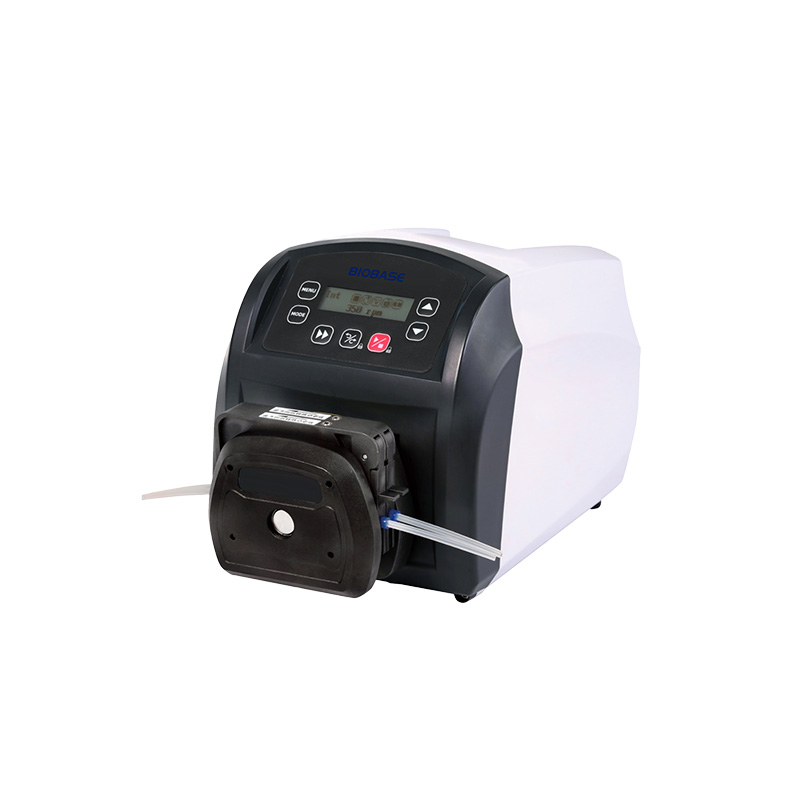
Laboratory pumps are essential for precise and reliable movement of liquids and gases in scientific and industrial applications. Two widely used types are diaphragm pumps and peristaltic pumps, each offering distinct advantages.
Diaphragm pumps use a flexible diaphragm to create suction and discharge cycles, allowing for clean, oil-free, and contamination-free transfer of fluids or gases. They are ideal for applications requiring chemical resistance and dry-running capability.
Peristaltic pumps operate by compressing flexible tubing to propel fluids forward without direct contact with pump components—perfect for sterile, corrosive, or sensitive liquids.
Both types provide accurate flow control, low maintenance, and dependable performance, making them.


